
Criminal Cases in the Orange County Courts
Orange County criminal cases belong to the North Carolina General Court of Justice. District Court hears misdemeanors and handles early felony proceedings, including first appearances. Superior Court is the felony trial court. Both divisions are in District 18, and the Orange County court directory identifies the Clerk's criminal division, magistrates, judges, trial coordinator, and District Attorney. The Judicial Branch also publishes Orange County local rules and forms.
The Clerk of Superior Court keeps both District and Superior Court files. The criminal counter is at 106 E. Margaret Lane in Hillsborough, and case questions go to 919-644-4500 or orange.criminal@nccourts.org. The Orange County Sheriff's Office creates booking and custody records, but the Clerk holds the later court file. Chapel Hill has an additional courthouse venue, and a town police charge still proceeds in the state system.
Orange County Court Divisions
Court level matters because an arrest label does not fix the court that will decide the charge. A misdemeanor normally stays in District Court. A felony begins with District Court procedures and reaches Superior Court after indictment or another lawful charging path. Charges can be amended, dismissed, consolidated, or replaced along the way.
The District Attorney prosecutes for the State but does not keep the public court file. Filed motions, orders, judgments, and docket entries should be requested from the Clerk. Magistrates handle criminal process and initial release functions. This division of work explains why one office may answer a hearing question but not supply a certified judgment.
Orange County's court contacts also divide scheduling from record custody. District Court judges can be reached through the directory at 919-644-4646, magistrates at 919-644-4690, the District Attorney at 919-644-4600, and the Superior Court trial coordinator at 919-644-4747. These lines can help route a procedural question, but the Clerk remains the first stop for the public docket, filed papers, and certification.
The official courthouse page lists visitor rules. The Orange County criminal counter is open weekdays from 8:30 a.m. to 5 p.m. Bags and purses are not allowed, and visitors should plan for security screening.
How to Search Case Records
The public starting point is North Carolina eCourts Portal. It covers all 100 counties, but a remote search is not the complete clerk file. Common names can yield several people, old paper or pre-conversion documents may be absent, and protected documents remain unavailable. Use several details before treating a match as the right Orange County case.
- Open Smart Search and enter a party name, record number, citation number, or another supported identifier.
- Set the location to Orange County and narrow the category to criminal or infraction matters as needed.
- Compare the filing date, court division, charge, party role, and case number across possible matches.
- Open the case and read events, hearings, charge status, documents, disposition, and financial entries in context.
- Contact the Clerk for certification, older papers, or any public item that is listed but not remotely viewable.
Note: Portal shows proceedings in one case, not every arrest or a fingerprint-linked statewide criminal history.
Orange County Smart Search Fields
The Portal offers broad criteria plus filters. A record number is the cleanest route when known. A name search needs care because the public tool is not a fingerprint match. The Hearings tab can locate dates by case, party, attorney, judicial officer, or courtroom.
| Field Label | Type | Required | Notes |
|---|---|---|---|
| Search Criteria | Text | Yes | Party, record, citation, cross-reference, nickname, or supported attorney data |
| Location | Dropdown | No | Select Orange County or the relevant court location |
| Case Type / Category | Dropdown | No | Narrow to criminal or infraction matters |
| Party Type | Dropdown | No | Limits results by the person's role |
| Date Filed From / To | Date | No | Restricts results to a filing range |
The official eCourts overview documents this statewide court system.
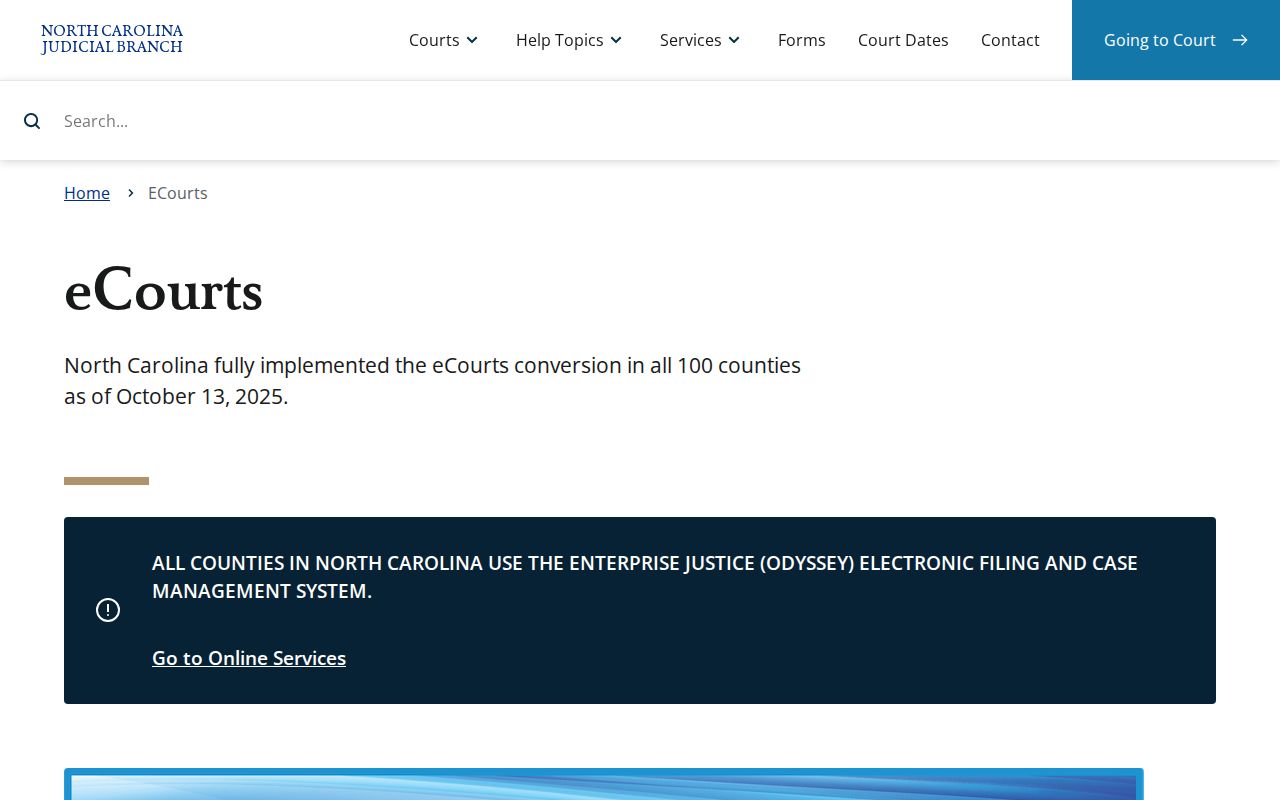
Orange County filters turn that statewide entry point into a local docket search, while the Clerk remains the source for the authoritative file.
What the Case File Shows
A court file focuses on one docket, not the whole life of a person. It can show how a filed charge changed, what hearings occurred, which motions and orders entered the record, and how each count ended. Remote documents vary by role and type, so an empty online list does not prove the Clerk has no paper or restricted item.
| Case Number & Court | Record identifier, location, division, case type, filing date, and status |
|---|---|
| Charging Document | Citation, magistrate order, warrant, complaint, indictment, or later charging paper |
| Docket Entries | Motions, service, continuances, orders, pleas, judgment, and compliance events |
| Hearing Dates | Date, time, courtroom, hearing type, and judicial officer when public |
| Disposition & Judgment | Outcome for each charge, including dismissal, plea, verdict, acquittal, or conviction |
| Sentence & Conditions | Custody, probation, costs, restitution, and other terms in the judgment |
Public financial entries can show assessments, balances, and payment eligibility, but online payment is not available in every matter. Protected addresses, Social Security numbers, victim or minor information, and sealed or expunged material do not appear in the public view.
Missing Orange County Case Documents
North Carolina completed statewide eCourts deployment on October 13, 2025, but conversion did not make every older Orange County page a remote download. An item may predate the system, exist only in paper or scanned form, carry an access limit, or be visible only to an authorized role. Check the docket entry and case number, then ask the Clerk whether the item is public.
For a counter visit, bring the case number and document description rather than a broad request for everything tied to a name. Call 919-644-4500 or email orange.criminal@nccourts.org before travel. The official Orange County payment information says the courthouse accepts cash, money order, certified check, and cards with a processing fee where eligible. It does not accept personal checks.
The Judicial Branch criminal-record check page distinguishes record searches from document requests.
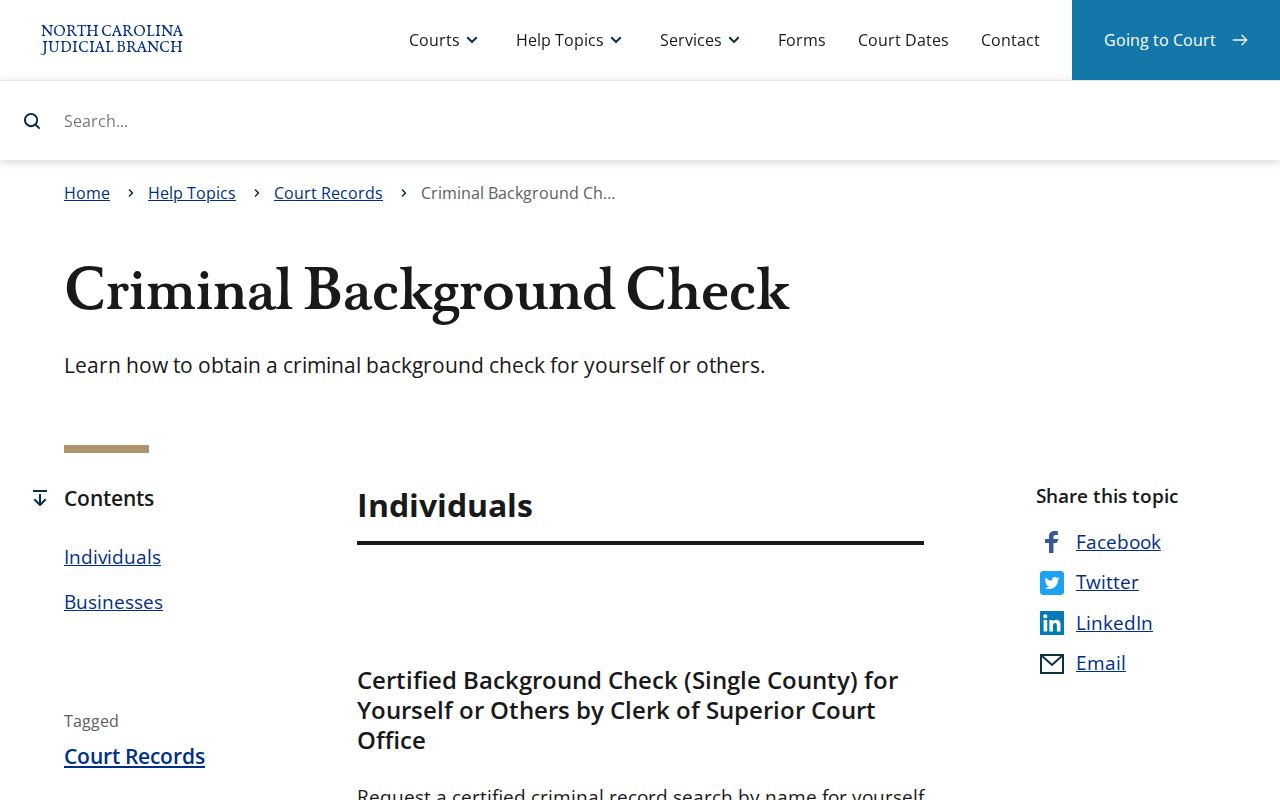
That official route helps readers choose between a certified county search and copies from one known Orange County case.
Stages of a Criminal Case
An Orange County case may begin with a citation, arrest, magistrate order, warrant, complaint, or indictment. District Court handles misdemeanors and the early felony path. A felony can proceed through first appearance, probable-cause or waiver steps, and grand-jury action before Superior Court arraignment. A plea can end the case without trial.
Case flow: Charges Filed › Arraignment › Pretrial › Plea or Trial › Disposition › Sentencing
Read the docket count by count. One charge may be dismissed while another produces judgment. A later appeal or compliance event can add entries after sentencing, and a booking charge may differ from the offense in the final judgment.
Reading Orange County Case Dispositions
Status, disposition, and judgment answer different questions. Status tells whether the case remains open or has reached another procedural state. Disposition records the outcome of a charge. Judgment states the court's adjudication and sentence when a conviction results. A dismissal ends prosecution on that count without a conviction, while an acquittal is a not-guilty result after trial.
- Dismissal with leave
- A North Carolina status that can remove a matter from an active calendar while allowing reinstatement under law.
- Prayer for Judgment Continued
- A disposition in which judgment is continued; its effect depends on context and it is not a universal erasure.
- True bill
- A grand jury returns a formal indictment. It is an accusation, not proof of guilt.
- Consolidated judgment
- Multiple convictions are grouped for judgment, so charge rows and the sentence must be read together.
A dismissal can coexist with an arrest report because police and courts keep different records. Compare the final Orange County docket with the earlier agency file instead of treating either as a substitute for the other.
Access & Restrictions
G.S. 7A-109 generally opens records of the Clerk's office to public inspection unless another law provides otherwise. Remote Portal access is narrower. Sealed and expunged files, juvenile matters, protected victim or minor data, Social Security numbers, and other sensitive material are withheld or redacted.
Expunged-case information is restricted under G.S. 15A-151. A hidden result does not prove a case never existed, and a missing result is not proof of sealing. Filing delay, conversion limits, or a wrong county filter may explain the gap. The Clerk can confirm whether a public Orange County record is held.
North Carolina public-record rules do not turn every law-enforcement file into a court record. Investigation material follows separate limits under the North Carolina Public Records Law, Chapter 132, while filed court papers follow the Clerk's access rules. Juvenile files are confidential, and grand-jury deliberations stay secret even though a returned indictment may enter the criminal case file. Ask about the specific document rather than assuming the entire folder has one access status.
Orange County Certified Case Searches
A certified county criminal-record search costs $25. It is a name-based review of public court records in Orange County. It is not an SBI rap sheet and does not establish a fingerprint match. The SBI Right to Review is the subject-only, fingerprint-linked state repository route and costs $14.
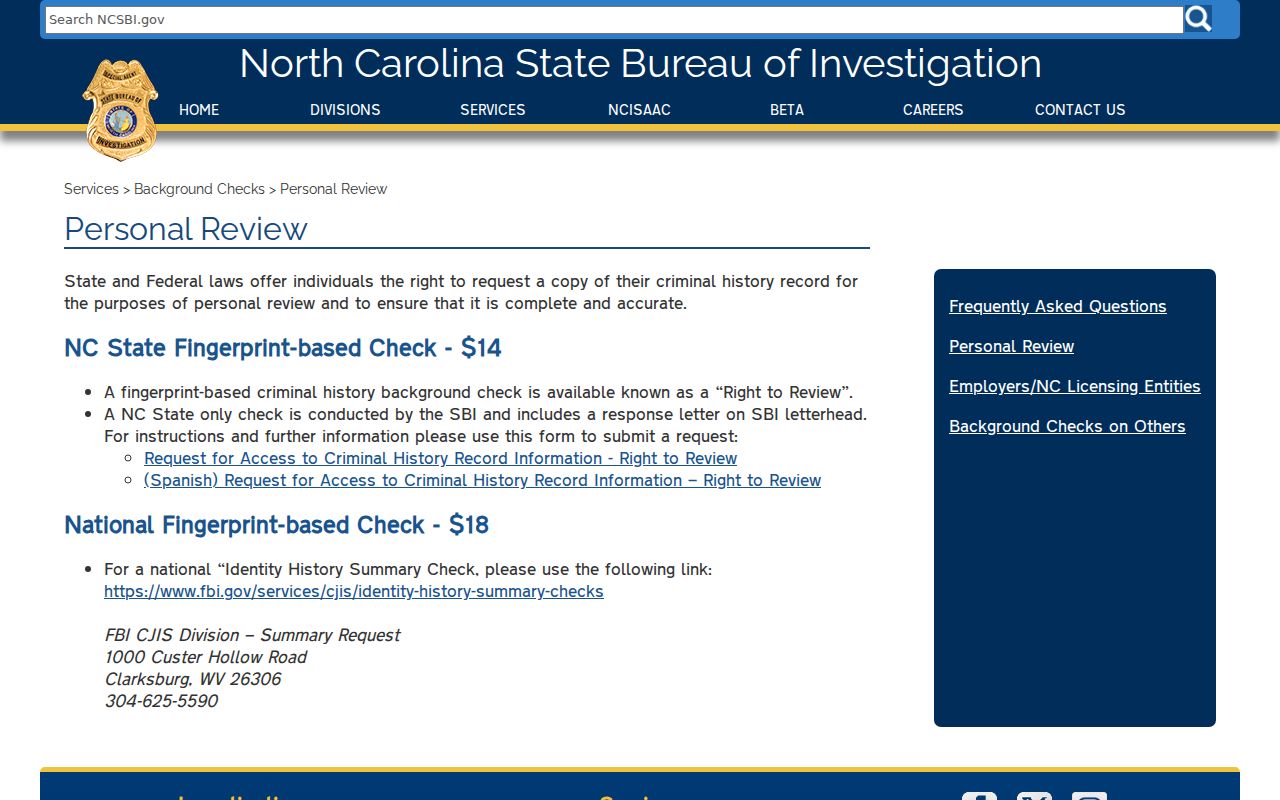
The SBI image marks a different layer: statewide fingerprint-linked arrest cycles and reported dispositions for the person requesting their own record.
Federal prosecutions are separate. Orange County lies in the U.S. District Court for the Middle District of North Carolina, and federal docket research uses PACER. The official Federal Bureau of Prisons locator covers federal custody, not the county jail or North Carolina prison system.
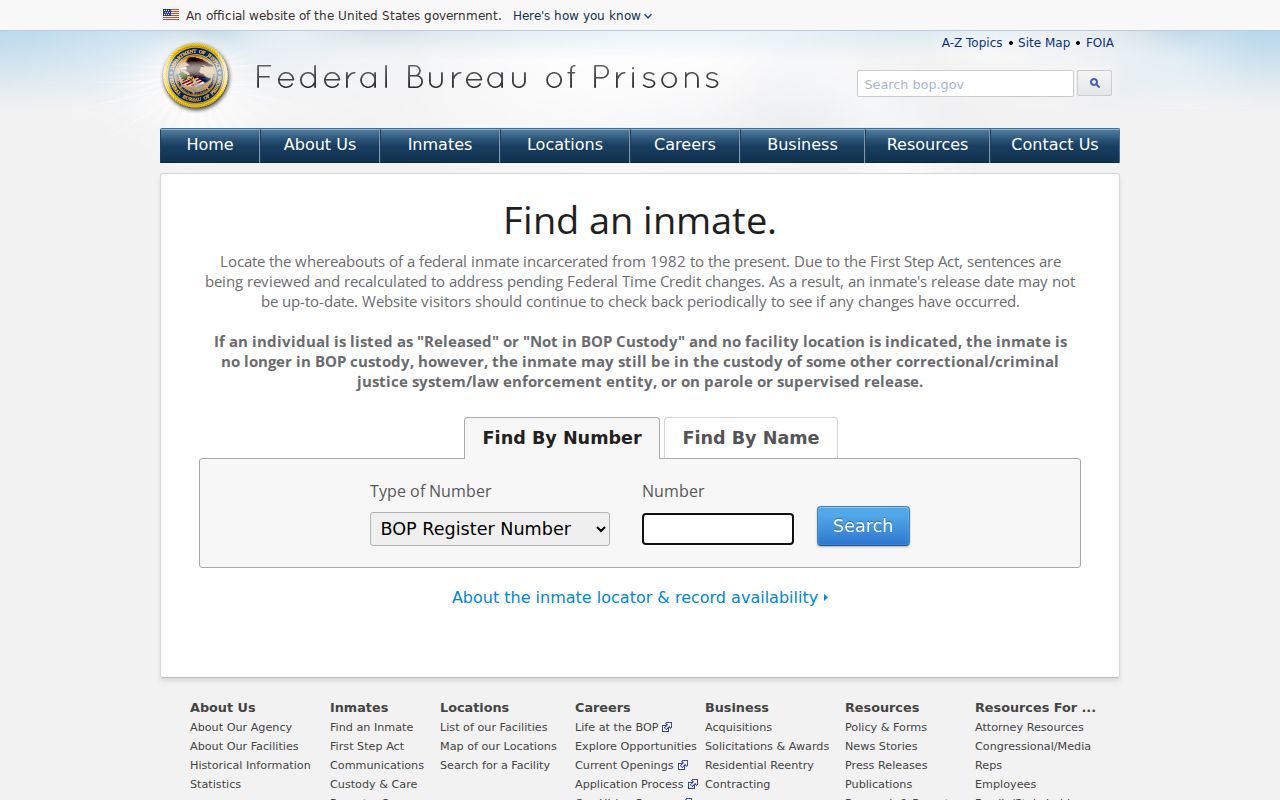
This federal search belongs beside, not inside, an Orange County state case search because the courts and custodians are distinct.